Second
How to Build a Portfolio From Free Coursework
A certificate from a free course proves you clicked through to the end. A portfolio proves you can do the work. Here's how to get from one to the other without paying tuition.
 Kwame Adeyemi · Oct 20, 2026 · 7 min read

"Free" shows up in three different forms when you're looking at online coursework, and conflating them is how people end up either paying for something they thought was free, or dismissing something genuinely useful because it had a price tag attached to the credential, not the learning. There's actually free (no account, no card, content stays up): nonprofit and university-published material, most open courseware, and some individual platforms' intro modules. There's free-to-start (a trial or a free tier with real limits): most of the subscription platforms we cover, including the free tiers on Coursewave and LearnForge. And there's "free" that means the videos are free but the certificate, project review or completion badge costs money — which is a legitimate business model, just not actually free.
Where genuinely free coursework actually lives
- OpenPath Academy — a nonprofit-run catalog of self-paced courses with no account required to access course content, though a free account unlocks progress tracking.
- University-published open courseware — full lecture series and assignments from several universities, published with no login and no certificate, which is fine, because the certificate isn't what a portfolio project needs.
- Platform free tiers — Coursewave's free tier includes a rotating selection of full courses (not just previews) at any given time; LearnForge's free tier is limited to the first module of each track, enough to evaluate the platform but not to finish a project.
"A certificate proves you clicked through to the end. A portfolio proves you can do the work. A hiring manager has only ever asked to see the second one."
Turning a free course into a project, not a certificate
The single habit that separated readers who landed interviews from readers who finished a lot of courses and nothing else: they stopped at the end of each course's project section and rebuilt it with a change — a different dataset, a different design constraint, a different audience — rather than submitting the course's own template exercise as their portfolio piece. A hiring manager has usually seen the stock version of every popular course's capstone project; a variation on it, with a clear note about what you changed and why, reads as actual work rather than a completed checklist.

Three portfolio projects that actually get looked at
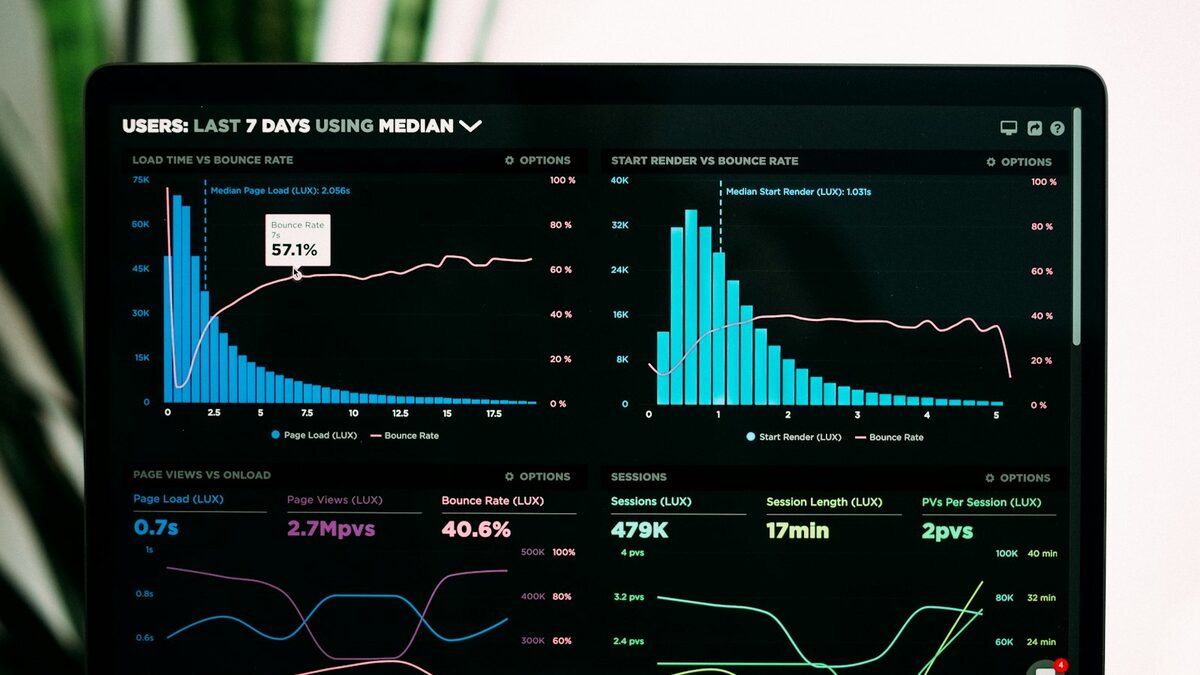
- A real dataset, not the course's sample one. Public data from a local government open-data portal, a sports league, or a hobby you already track obsessively will always read as more genuine than the dataset fifty thousand other learners used.
- A short written explanation of one decision you made and why. Not a full case study — three paragraphs on why you picked one chart type, one model, or one design pattern over an obvious alternative. This is the part that actually gets read in a stack of twenty portfolios.
- Something finished, even if small, over something ambitious and half-done. A small complete project beats a large unfinished one in every piece of hiring feedback we've collected for this site.
What to leave out of a portfolio
Readers who'd reviewed portfolios on a hiring team, not just built one, were consistent about what to cut: tutorial-identical projects with no noted changes, more than four or five projects total (quality reads better than volume past that point), and any project description written entirely in tool names rather than in terms of the problem it solved. "Used Python, pandas and matplotlib" tells a hiring manager what you touched; "cleaned three years of inconsistent city permit data and found which neighborhoods had the longest approval delays" tells them what you can do.
A smaller point that came up more than expected: date everything, and keep the dates visible. A portfolio with no timestamps reads as either very recent or very stale depending on the reviewer's mood, and several hiring managers told us they specifically look for a project built in the last six months as a signal that a candidate is still actively learning, not coasting on something they finished two years ago and never touched again. If your strongest project is older, it's worth adding one smaller, newer piece just to show the clock is still running.
When free coursework stops being enough
Free coursework runs out of usefulness at the point where you need structured feedback on your specific work rather than a general lecture, or a deadline you'll actually keep. That's the point where a paid subscription with mentor review, like the ones we cover in our learning subscription comparison, or a short bootcamp, starts to earn its price — not before.
How we put this together
This list comes from reader-submitted portfolios we reviewed alongside two readers who hire for entry-level data and design roles, plus our own experience testing free tiers on five subscription platforms for a separate comparison. It isn't a formal hiring study, and results will vary by field and by who's actually reviewing your portfolio.
About the author
 Kwame Adeyemi
Learning platforms & learning science writer
Kwame Adeyemi spent nine years teaching high school chemistry before he started testing online learning platforms and writing about what the research actually says works. He signs up for a trial of every subscription he reviews and cancels it himself afterward, specifically to see how hard that process really is.