Second
I Was a Chef for 12 Years. Here Is What Transferred.
People ask me this expecting a tidy answer about discipline or working under pressure. The honest answer is messier, and some of it surprised me.
 Renata Cole · Oct 23, 2026 · 8 min read
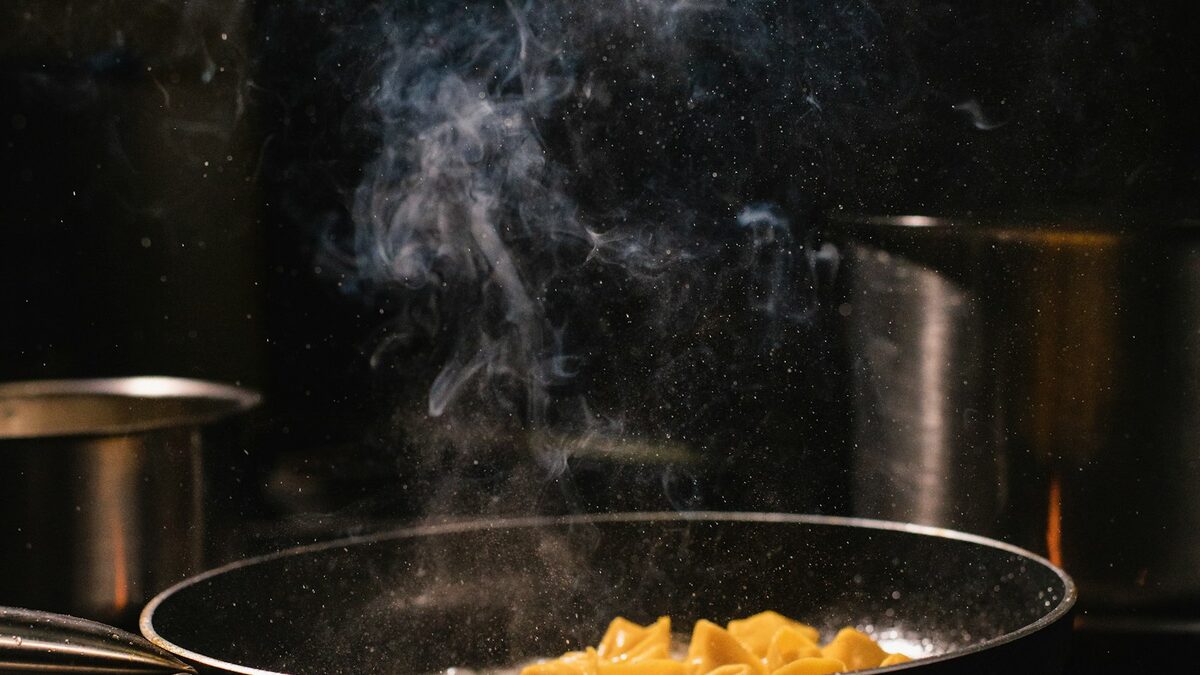
I spent twelve years in restaurant kitchens — four as a line cook at a mid-size bistro called Birchwood Table, then eight as a sous chef and finally head chef at a second location the owners opened across town. I left in 2019, at thirty-four, with a bad knee, a decent amount of savings, and no idea what I was qualified to do outside a kitchen. I'm an instructional designer now. People who hear both halves of that sentence usually ask the same question: what actually transferred? Not in the vague "transferable skills" way a resume workshop means it, but specifically — what did I already know how to do that turned out to matter in an office.
The honest answer took me a couple of years to figure out, mostly because the first things I guessed were wrong.
The line taught me to work under a timer I didn't control
A kitchen during service doesn't care how you feel about the pace. Tickets come in on the restaurant's schedule, not yours, and the only choice you get is how you organize the time between tickets. I assumed this would transfer directly into any deadline-driven office job, and it did — but not in the way I expected. The useful part wasn't tolerance for pressure. It was something closer to triage instinct: the ability to glance at four things that all need doing and correctly rank them in under two seconds, under stress, without a meeting about it. That's rarer in offices than I expected, and it's the single skill colleagues comment on most, usually without knowing where it came from.
Mise en place is just "do the prep before you need it," renamed
Every cook learns mise en place — have everything prepped, measured and in place before service starts, because there's no time to chop an onion once the first ticket prints. I didn't think this would mean anything outside a kitchen until my second month in a corporate training role, building a course that needed data from three other teams, a recorded interview with a subject matter expert, and final sign-off from legal, all before I could touch the actual lesson design. The people who struggled most on that project were smart and capable; they just started designing before they'd lined up the inputs, the way a cook might start building a plate before confirming the fish actually arrived. I built the habit of confirming every input existed before I started the visible work, and it's the one kitchen instinct I'd recommend to anyone, in any field, without qualification.
What a service rush and a production incident have in common
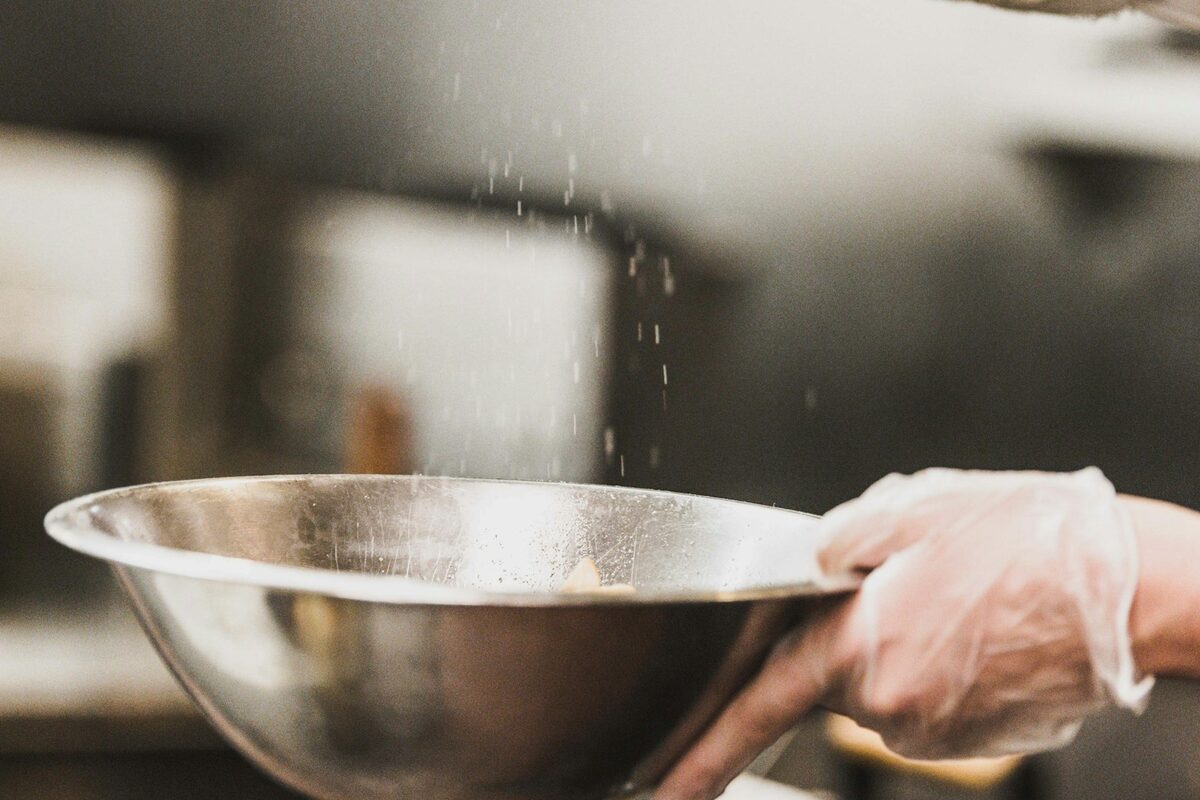
The closest thing I've found in office life to a Saturday night rush is an actual production incident — something's broken, customers are affected, and several people are trying to fix it at once under real time pressure. The emotional shape is identical: the calm people during a crisis are useful, the panicking people make everyone slower, and the person loudly assigning blame in the middle of the fire is actively making things worse regardless of whether they're right. I learned to be the calm person in a kitchen because the alternative got you yelled at by someone holding a hot pan. I had to relearn it for a different context, but the underlying skill — stay useful, triage out loud, assign tasks instead of opinions — was already there.
The things that didn't transfer at all
In the interest of not writing a tidy inspirational post, here's what I expected to carry over and genuinely didn't:
- Physical stamina as a virtue. Nobody in an office is impressed that you can stand for twelve hours. The instinct to push through exhaustion as a point of pride actively worked against me in a field where rested, clear thinking is the actual output.
- Hierarchy fluency. Kitchens run on a strict chain of command that I understood instinctively. Offices run on influence and relationships that don't map to any org chart, and I was slow to notice that the person with the most useful information in a meeting often wasn't the person with the most senior title.
- My specific technical skills. Twelve years of knife work, butchery and plating are not, it turns out, adjacent to instructional design in any way beyond the occasional conversation-starting story. I had to learn almost everything about my new field from the ground up, same as anyone else.
"Nobody in an office is impressed that you can stand for twelve hours. I had to unlearn exhaustion as a point of pride before I could actually get good at the new thing."
Money, humility and starting at the bottom again
I took a pay cut in my first post-kitchen job, from a head chef's salary plus the occasional cash tip-out to an entry-level training coordinator's salary, and it stung more than I expected given that I'd planned for it. The harder adjustment wasn't the number — it was being, for the first time in close to a decade, the least experienced person in the room again. I'd spent years being the one other people deferred to on a line. Starting over meant genuinely not knowing things in front of people half my age, and getting comfortable saying so out loud instead of bluffing, which was its own skill I had to build from nothing.
What I'd tell someone leaving a kitchen for a desk
Don't undersell the triage instinct and the calm-under-pressure habit — they're real, they're rarer than you think in an office, and they will get noticed without you having to explain where they came from. But don't oversell them either, and don't assume they substitute for actually learning the new field from scratch. The years aren't wasted; they're also not a shortcut. They're the part of you that will make the new work feel familiar in small, specific moments, long after everything else about the job still feels unfamiliar.
About the author
 Renata Cole
Founder & lead writer
Renata Cole founded Second Syllabus after retraining as an instructional designer following twelve years as a line cook and head chef. She writes the site's bootcamp comparisons and its personal essays, and she still keeps her own tuition receipts to remember what these numbers feel like from the paying side.